
When choosing window coverings for your home, one of the most common questions is: should you choose blinds or shades? Both options offer practical benefits and stylish designs, but they differ in how they function, look, and fit into your budget. Understanding these differences can help you decide which option works best for your space.
Visual Differences
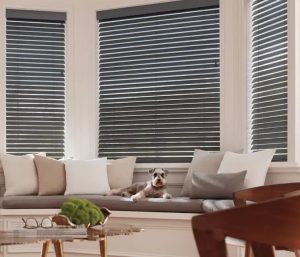
Blinds are made with horizontal or vertical slats that can be tilted open or closed to control light. They typically come in materials such as wood, faux wood, aluminum, or vinyl, offering crisp lines and a more traditional or architectural feel.
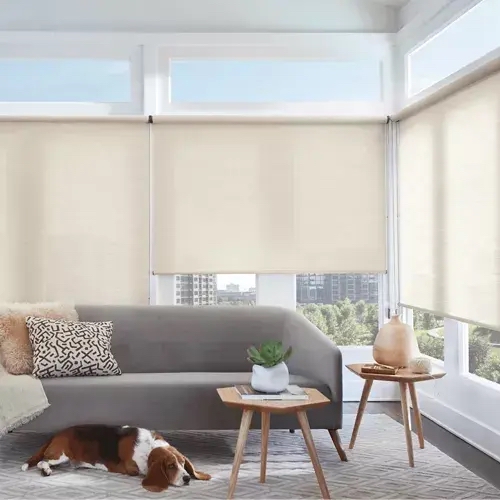
Shades, on the other hand are made from continuous pieces of fabric that roll, fold, or stack exposing more of your view when raised. Because of this, shades tend to have a softer, more streamlined aesthetic with fewer visual breaks. With a wide variety of high-quality fabrics, textures, control options and patterns available, shades bring a more elevated, design driven look to your space. Many shade styles also allow for a clearer, unobstructed view when lowered, making them a popular choice for modern and contemporary spaces.
Privacy and Light Control
Blinds offer flexible light control because the slats can be adjusted to let in natural light while still maintaining privacy. Shades generally provide privacy when fully lowered, though the level depends on the fabric or opacity you choose. Some shades are designed specifically for room darkening or light filtering, making them ideal for bedrooms, media rooms, or spaces where glare needs to be reduced. Shades also offer the option for 360-degree light locking when paired with side and bottom channels, a feature that blinds do not typically provide.
Price Points
Budget can also influence your choice. Basic blinds are often among the more cost-effective window covering options, especially in materials like vinyl or aluminum.
Shades, however, offer a wider range of pricing depending on the fabric, design, and operating system, with options that span from entry level solutions to fully customized high-end designs. With premium materials, custom sizing, and options such as motorization with automation, shades provide a more tailored and premium finish.
Product Range and Aesthetics
Both blinds and shades come in a wide range of styles. Blinds offer classic options such as wood and faux wood slat designs that suit traditional and transitional homes. Shades provide greater variety in textures, colours, and patterns, allowing them to blend seamlessly with many interior design styles.
Durability and Maintenance
Blinds are generally durable and easy to wipe clean, making them a practical choice for high-traffic areas like kitchens or family rooms. Shades require a bit more care depending on the fabric, though many modern options are designed to resist dust and fading.
Ultimately, the right choice depends on your home’s style, your light and privacy preferences, and your budget. Seeing and feeling the materials in person can make the decision much easier.
Book a design consult to compare samples side-by-side in your home and find the perfect window coverings that are perfectly tailored to your space.